
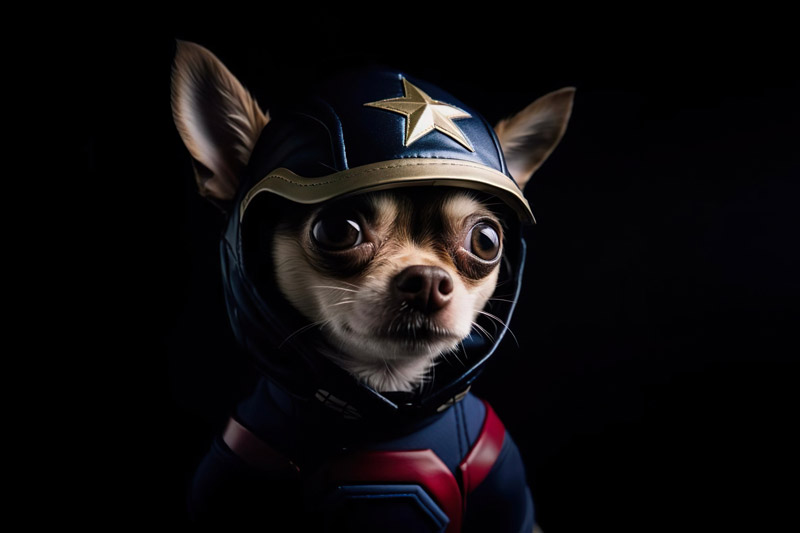
When you hear the words “super hero,” would you ever think of Rudolph the Red Nosed Reindeer?
Rudolph was one of the last “hero” character my mom identified with – which, in high school, made her even more unpopular than she already was.
And his exploits generated a lot of cash for a lot of companies.
“Polly, where exactly is this going?”
Let me explain.
My mom thought she had Rudolph figured out. Back in 11th grade she wrote an essay* about him for her Literature of Alienation class (don’t ask). She highlighted how even though he was alienated from society and his peers (the whole “wouldn’t let poor Rudolph play in any reindeer games” bit), he rose above his challenges, gave new life to the residents of “The Island of Misfit Toys”, escaped a misunderstood, Claymation version of Sasquatch, and saved Christmas.
All of this ultimately branded Rudolph a hero.
But here’s what most people don’t realize. Rudolph wasn’t part of the Old Christmas Stories that were passed down over generations. He was created in 1939 by a marketing firm that did an assignment for Montgomery Ward.
Next thing you know, he has a song or two about him – the Gene Autry version selling over 25 million copies – as well as television shows, movies, toys, and more.
Yes, some heroes are born on Madison Avenue.
Even his co-stars got “hero sidekick” status and became famous – and profitable. Rudy’s buddy Hermey the dentist is his own brand, as is the Abominable Snow Monster, aka The Bumble. Who bounces. And might be Big Foot’s hairier (and colder) cousin. Eventually I’ll do a blog post on him, too.
The amount of money these characters brought in? Unbelievable.
And they pretty much made the Claymation studio famous.
This format worked well for years, but eventually it needed to evolve. Yeah, people love heroes, and maybe they love them so much they’ll buy sheets and pillowcases with their likeness printed all over them, but is that really sustainable? Heroes don’t last forever (when was the last time you saw an Underdog lunchbox in Walmart?), and how many unique heroes can fill a movie theater each summer?
So, copywriters and ad executives put their heads to together, smoked Camels, and drank a LOT of Creativity Juice (you have seen “Mad Men,” haven’t you?). They took this hero thing to the next level.
Here was their brilliant idea. Instead of telling the market** to buy hero merchandise, which is bound to fray over time and lose its appeal, what if you told them that just the act of opening up their wallets made them the superheroes?
It made them smarter.
Superior to the guy next door.
Successful.
Imagine ad campaigns where young shoppers dodge traffic and leap over tall buildings, all so they can grab a moment to pick up a phone, scroll, and hit “buy.” They then look into the wind, triumphant, and proclaim, “I am SUCH an amazing shopper!” All because they scored a deal on cheap (yet stylish) clothing, most likely made in a factory overseas where the laborers make a buck an hour.
You don’t have to imagine advertisements like that one. They’re everywhere.
Listen to an ad or two for one of the internet gambling platforms. The guy who places his bet and wins big is, well, a winner. He followed his instincts, made his selection, and took his small, pocket-change wager and turned it into riches beyond belief. Now he can take his family on the vacation of their dreams. Yes, he pulled out his credit card and became a hero.
Of course, no one ever mentions this is the same family who pulled together, maybe even took a second job, so they could cough up the cash for the mortgage and utilities every time our “hero” lost his paycheck on the very same gambling site.
“Polly, you’re being harsh!”
I don’t mean to be. Let me explain some more.
In web design, the header of the home page is frequently referred to as the Hero Section or Hero Image. In some design formats, particularly The Storybrand system made popular by Don Miller, the customer is always positioned as the hero of the business transaction. The entity providing the service or product is the guide, like Gandalf, helping the prospect on their journey towards wealth, health, or a better-looking wardrobe.
Non-profits have had this one figured out for a long time.
“With your donation you can be the hero the blue-footed bobble needs to ensure another year of survival in the wilds of Manville, NJ.”
And without that donation? Certain doom is in store for those poor bobbles. My mom’s reading this over my shoulder and tears are dripping onto the keyboard.
“Where’s my credit card? I have to save the birds!”
See what I mean?
So, what does this mean for you?
Are you really a hero, or just The Market?
What about your readers or customers? Are they victims and you’re going to swoop in and save them, or are they amazing because they hit the PayPal button and bought your program?
And, if everyone’s a hero, is anybody?
Does buying a gadget that helps you cook a delectable, healthy meal in 12.7 minutes, put you on par with:
- The first responder who runs into a burning building to look for and save the kid who might be trapped in the basement.
- The hospice worker who shows up after a 3 a.m. phone call, to hold the hand of a patient who’s alone, and will have passed by sunrise.
- The pilot who lands a plane full of passengers in the middle of an icy river on a cold winter’s day.
I’m not dissing Rudolph, ad campaigns, or Storybrand. Heck, we like that format and loosely use it on our websites.
But, after a while, all the hyperbole and exaggerated hero-talk can leave you rolling your eyes and tuning out. At which point it might be time to reflect and put all the messages we send out or get bombarded by into their proper perspectives.
Or maybe it’s time to just block it all out for a while and curl up with a good book and a biscuit.
*When she read her essay to the class no one, including the teacher, had anything to say. He did give her an A+ and told her how “interesting her interpretation” was. Personally, I think she related to Rudolph because she had a REALLY bad acne problem at the time. I’ve seen the pictures.
**That’s me and you, by the way. Even several of our elected politicians have been caught over the years slipping up and calling us that.
Polly, I had no idea Rudolph was created by a marketing firm for Montgomery Ward in 1939! Once you notice ads that make the shopper the hero, you see them everywhere. Please tell your mom her 11th grade essay was ahead of its time. Thank you for being part of UBC this month.
Thanks Paul, I just caught this while I was replying to your last comment. Thanks bunches for offering this program. It keeps us thinking, even if we’re not always writing. We’re looking forward to January!
I’ve enjoyed part 1 and 2 of the Superheroes. I am immune to these kind of campaigns – or think I am. I enjoy your writing.
Such an interesting read. What an interesting market scheme for good ol’ Rudolph. I enjoyed reading your blog.